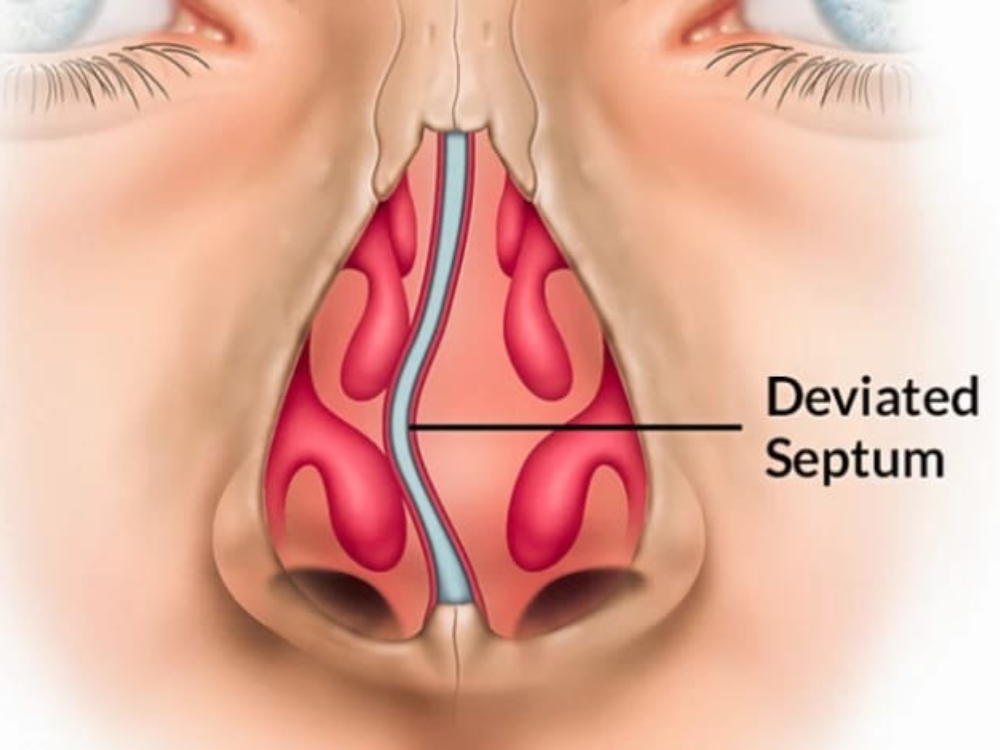
Deviated Nasal Septum (DNS) Treatment in Thane | Septoplasty by ENT Specialist
A Deviated Nasal Septum (DNS) is a common condition in which the thin wall (nasal septum) that separates the two nostrils is displaced to one side. While a mild deviation may not cause any symptoms, a significant deviation can lead to persistent nose blockage, difficulty breathing, recurrent sinus infections, snoring, and disturbed sleep.
If you have difficulty breathing through one or both sides of your nose or frequently suffer from sinus infections, consult an ENT Specialist in Thane for a detailed evaluation and personalized treatment.
What is a Deviated Nasal Septum (DNS)
The nasal septum is made of cartilage and bone that divides the nose into two passages. When the septum is crooked or deviated, it can partially or completely block one side of the nose, making breathing difficult.
Some people are born with a deviated septum, while others develop it after a nasal injury.
Symptoms of a Deviated Nasal Septum
- Persistent nose blockage (one or both sides)
- Difficulty breathing through the nose
- Frequent sinus infections
- Snoring
- Mouth breathing, especially during sleep
- Frequent nosebleeds
- Facial pressure or headache
- Disturbed sleep
- Reduced sense of smell (in some patients)
Common Causes
- Congenital (present since birth)
- Injury to the nose during childhood or adulthood
- Sports injuries
- Age-related changes affecting nasal structures
Diagnosis
A detailed ENT examination helps determine the severity of the septal deviation and identify any associated nasal conditions.
Your evaluation may include:
- Medical history and symptom assessment
- Nasal examination
- Nasal Endoscopy
- Assessment for allergic rhinitis or sinusitis
- CT scan of the paranasal sinuses in selected patients
Treatment for Deviated Nasal Septum (DNS)
Treatment depends on the severity of symptoms.
Medical Treatment
Medical treatment can relieve associated inflammation but does not straighten the deviated septum.
Surgical Treatment – Septoplasty
If the deviation causes persistent nasal obstruction, recurrent sinus infections, snoring, or affects your quality of life, Septoplasty may be recommended.
Septoplasty is a procedure that straightens the nasal septum to improve airflow through the nose. It is performed entirely through the nostrils, leaving no visible external scar.
When indicated, septoplasty may be combined with other procedures, such as Functional Endoscopic Sinus Surgery (FESS) or turbinate reduction.
When Should You Consult an ENT Specialist?
Consult an ENT specialist if you experience:
- Persistent nose blockage
- Difficulty breathing through the nose
- Frequent sinus infections
- Recurrent nosebleeds
- Loud snoring associated with nasal obstruction
- Poor sleep due to difficulty breathing
- Symptoms that do not improve with medications
Early diagnosis helps determine whether your symptoms are due to a deviated septum or another nasal condition.
Why Choose Dr. Seema Gupta?
- Experienced ENT Specialist & Head and Neck Surgeon
- Expertise in diagnosing and treating nasal disorders
- Comprehensive evaluation using Nasal Endoscopy
- Personalized treatment plans
- Expertise in Septoplasty and the management of sinus disorders
Deviated Nasal Septum (DNS) Treatment in Thane
Dr. Seema Gupta (MBBS, MS ENT, DNB, MRCS-ENT UK) provides expert diagnosis and treatment for deviated nasal septum (DNS), nose blockage, sinusitis, allergic rhinitis, nasal polyps, snoring, and other ear, nose, and throat disorders.
Consultation available at:
- Signita Wellness, Kasarvadavali, Ghodbunder Road, Thane West
- Highland Hospital, Kolshet Road, Thane West
Book an appointment for a comprehensive evaluation of nasal obstruction and personalized treatment for a deviated nasal septum.
Frequently Asked Questions (FAQs)
1.What is a Deviated Nasal Septum (DNS)?
A deviated nasal septum occurs when the wall dividing the two nasal passages is displaced to one side, making breathing through the nose difficult.
2.Can a deviated septum cause a blocked nose?
Yes. A significantly deviated septum is one of the most common causes of persistent nasal obstruction.
3.Can medicines correct a deviated septum?
No. Medicines can help relieve associated symptoms such as allergies or inflammation but cannot straighten the septum. Septoplasty is the definitive treatment when symptoms are significant.
4.What is Septoplasty?
Septoplasty is a surgical procedure that straightens the deviated nasal septum to improve nasal breathing. It is usually performed through the nostrils without any external scar.
5. Is Septoplasty painful?
Most patients experience mild discomfort rather than severe pain. Your ENT specialist will prescribe appropriate medications to keep you comfortable during recovery.
6.How long does recovery take after Septoplasty?
Most patients can resume routine activities within a few days, although complete healing inside the nose takes several weeks. Your surgeon will advise you about activity restrictions and follow-up care.
7.Can a deviated septum cause sinusitis?
Yes. A deviated septum may contribute to poor sinus drainage, increasing the risk of recurrent or chronic sinus infections in some patients.
8.When should I consult an ENT specialist for DNS?
If you have persistent nose blockage, recurrent sinus infections, frequent nosebleeds, snoring due to nasal obstruction, or difficulty breathing despite medications, you should seek an ENT evaluation.
Sinusitis Treatment in Thane | Expert ENT Specialist for Sinus Infections
Do you frequently suffer from facial pain, persistent nose blockage, thick nasal discharge, headache, or a reduced sense of smell? These symptoms may be caused by sinusitis, a common condition in which the air-filled spaces around the nose (sinuses) become inflamed or infected.
While many cases improve with appropriate medical treatment, untreated or recurrent sinusitis can significantly affect your quality of life and may lead to chronic symptoms or complications. If your symptoms persist for more than 10 days or keep recurring, consult an ENT Specialist in Thane for a comprehensive evaluation.
What is Sinusitis?
Sinusitis, also known as a sinus infection, is the inflammation of the lining of the paranasal sinuses. Normally, the sinuses are filled with air and drain mucus into the nose. When these drainage pathways become blocked due to infection, allergies, or structural problems, mucus accumulates, allowing bacteria or viruses to grow.
Sinusitis may be:
- Acute Sinusitis – Lasts less than 4 weeks.
- Subacute Sinusitis – Lasts 4–12 weeks.
- Chronic Sinusitis – Persists for more than 12 weeks despite treatment.
- Recurrent Acute Sinusitis – Multiple episodes within a year.
Symptoms of Sinusitis
- Persistent nose blockage
- Thick yellow or green nasal discharge
- Facial pain or pressure (especially around the cheeks, forehead, or eyes)
- Headache
- Post-nasal drip
- Reduced or loss of smell
- Bad breath
- Fever (occasionally)
- Toothache or upper jaw pain
- Cough, especially at night
Common Causes of Sinusitis
- Viral infections (common cold)
- Bacterial infections
- Allergic rhinitis (nasal allergy)
- Deviated Nasal Septum (DNS)
- Nasal polyps
- Fungal sinus infections (in selected patients)
- Air pollution and smoking
- Dental infections (occasionally)
Diagnosis
A detailed ENT examination helps identify the underlying cause of sinusitis.
Your evaluation may include:
- Detailed medical history
- Nasal examination
- Diagnostic Nasal Endoscopy
- CT Scan of the Paranasal Sinuses (when indicated)
- Allergy evaluation in selected patients
These investigations help determine the severity of the disease and guide the most appropriate treatment.
Treatment for Sinusitis
Treatment depends on the cause, severity, and duration of symptoms.
Medical Treatment
Many patients improve with:
- Saline nasal irrigation
- Nasal corticosteroid sprays
- Antibiotics when indicated
- Medications to relieve pain and congestion
- Treatment of underlying allergies
Surgical Treatment
If symptoms persist despite appropriate medical therapy or if structural abnormalities are present, surgery may be recommended.
Functional Endoscopic Sinus Surgery (FESS) is a minimally invasive procedure that improves sinus drainage while preserving normal nasal structures. It may be advised for selected patients with chronic or recurrent sinusitis.
When Should You Consult an ENT Specialist?
Consult an ENT specialist if you experience:
- Symptoms lasting longer than 10 days
- Recurrent sinus infections
- Persistent nose blockage
- Facial pain or pressure
- Reduced sense of smell
- Thick nasal discharge that does not improve
- Symptoms despite medications
- Frequent headaches associated with nasal symptoms
Early diagnosis helps prevent complications and improves long-term outcomes.
Why Choose Dr. Seema Gupta?
- Experienced ENT Specialist & Head and Neck Surgeon
- Expertise in diagnosing and treating acute and chronic sinusitis
- Comprehensive evaluation using Diagnostic Nasal Endoscopy
- Personalized treatment plans
- Expertise in Functional Endoscopic Sinus Surgery (FESS) when required
- Evidence-based, patient-centred care
Sinusitis Treatment in Thane
Dr. Seema Gupta (MBBS, MS ENT, DNB, MRCS-ENT UK) provides expert diagnosis and treatment for sinusitis, nose blockage, allergic rhinitis, deviated nasal septum (DNS), nasal polyps, snoring, and other ear, nose, and throat disorders.
Consultation available at:
- Signita Wellness, Kasarvadavali, Ghodbunder Road, Thane West
- Highland Hospital, Kolshet Road, Thane West
Book an appointment for a comprehensive evaluation and personalized treatment for sinusitis and other nasal conditions.
Frequently Asked Questions (FAQs)
1.What is sinusitis?
Sinusitis is inflammation or infection of the sinuses, causing symptoms such as a blocked nose, facial pain, headache, thick nasal discharge, and reduced sense of smell.
2.How is sinusitis different from a common cold?
A common cold usually improves within 7–10 days. Sinusitis may persist beyond 10 days, cause facial pain or pressure, thick nasal discharge, and sometimes require medical treatment.
3.Can sinusitis go away without antibiotics?
Yes. Many cases of viral sinusitis improve with supportive treatment. Antibiotics are recommended only when a bacterial infection is suspected or confirmed.
4.Can allergies cause sinusitis?
Yes. Untreated allergic rhinitis can cause swelling inside the nose, block sinus drainage, and increase the risk of recurrent sinus infections.
5.When is surgery needed for sinusitis?
Surgery may be recommended if symptoms persist despite appropriate medical treatment, or if there are structural problems such as nasal polyps or a deviated nasal septum contributing to chronic sinus disease.
6.What is Functional Endoscopic Sinus Surgery (FESS)?
FESS is a minimally invasive procedure performed through the nostrils using an endoscope to improve sinus drainage and treat chronic sinusitis. It leaves no external scars.
7.Can sinusitis affect my sense of smell?
Yes. Inflammation and blockage of the nasal passages can temporarily or, in some cases, persistently reduce the sense of smell. Treatment often improves this symptom.
8.When should I consult an ENT specialist for sinusitis?
You should seek medical advice if your symptoms last longer than 10 days, keep recurring, are associated with severe facial pain, swelling around the eyes, reduced vision, or do not improve with treatment.
Snoring & Sleep Apnea Treatment in Thane | Expert ENT Specialist for Snoring and Sleep Disorders
Does your partner complain about your loud snoring? Do you wake up feeling tired despite a full night’s sleep, or experience excessive daytime sleepiness? While occasional snoring is common, persistent loud snoring may be a sign of Obstructive Sleep Apnea (OSA), a potentially serious sleep disorder that requires medical evaluation.
If you or a family member experiences loud snoring, pauses in breathing during sleep, or poor-quality sleep, consult an ENT Specialist in Thane for a comprehensive assessment and personalized treatment.
What is Snoring?
Snoring is the sound produced when airflow through the upper airway becomes partially blocked during sleep, causing the soft tissues of the throat to vibrate.
Not everyone who snores has sleep apnea, but habitual loud snoring should not be ignored.
What is Obstructive Sleep Apnea (OSA)?
Obstructive Sleep Apnea is a condition in which the airway repeatedly narrows or collapses during sleep, causing temporary pauses in breathing. These episodes reduce oxygen levels and repeatedly interrupt sleep, often without the person being aware.
Untreated sleep apnea can increase the risk of high blood pressure, heart disease, stroke, diabetes, and daytime accidents due to excessive sleepiness.
Symptoms of Snoring & Sleep Apnea
- Loud habitual snoring
- Witnessed pauses in breathing during sleep
- Gasping or choking during sleep
- Excessive daytime sleepiness
- Morning headaches
- Dry mouth on waking
- Poor concentration or memory
- Irritability or mood changes
- Unrefreshing sleep
- Frequent night-time awakenings
Common Causes
- Obesity or excess weight
- Enlarged tonsils or adenoids
- Deviated Nasal Septum (DNS)
- Nasal polyps
- Chronic nasal blockage
- Allergic rhinitis
- Enlarged tongue or soft palate
- Alcohol consumption before bedtime
- Sleeping on the back
- Increasing age
Risk Factors
You may have a higher risk of sleep apnea if you:
- Are overweight or obese
- Have a large neck circumference
- Have persistent nasal obstruction
- Have enlarged tonsils
- Have a family history of sleep apnea
- Have high blood pressure
- Have diabetes
- Smoke
Diagnosis
A detailed ENT evaluation helps identify the cause of snoring and airway obstruction.
Your assessment may include:
- Detailed medical history
- ENT examination
- Diagnostic Nasal Endoscopy
- Flexible laryngoscopy when indicated
- Sleep study (Polysomnography) if sleep apnea is suspected
- Imaging studies in selected patients
Treatment for Snoring & Sleep Apnea
Treatment depends on the underlying cause and severity.
Lifestyle Modifications
- Weight reduction if overweight
- Sleeping on your side
- Avoiding alcohol before bedtime
- Quitting smoking
- Maintaining good sleep hygiene
Medical Treatment
- Treatment of nasal allergy
- Management of sinusitis
- Nasal steroid sprays when indicated
- Treatment of nasal obstruction
CPAP Therapy
Patients with moderate to severe obstructive sleep apnea are often advised Continuous Positive Airway Pressure (CPAP) therapy, which helps keep the airway open during sleep.
Surgical Treatment
Surgery may be recommended in selected patients with structural airway obstruction, such as:
- Septoplasty for a deviated nasal septum
- Functional Endoscopic Sinus Surgery (FESS) for chronic sinus disease
- Tonsillectomy
- Adenoidectomy (especially in children)
- Other airway procedures when appropriate
The choice of treatment depends on the findings of your ENT examination and sleep study.
Why is Sleep Apnea Important?
If left untreated, obstructive sleep apnea may increase the risk of:
- High blood pressure
- Heart disease
- Stroke
- Type 2 diabetes
- Cardiac rhythm disturbances
- Excessive daytime sleepiness
- Road traffic and workplace accidents
Early diagnosis and treatment can significantly improve sleep quality and overall health.
When Should You Consult an ENT Specialist?
Consult an ENT specialist if you have:
- Loud snoring most nights
- Pauses in breathing noticed by your family
- Excessive daytime sleepiness
- Persistent nasal blockage
- Poor sleep quality
- Morning headaches
- Difficulty concentrating due to poor sleep
Why Choose Dr. Seema Gupta?
- Experienced ENT Specialist & Head and Neck Surgeon
- Expertise in evaluating snoring and sleep-related breathing disorders
- Comprehensive airway assessment using Diagnostic Nasal Endoscopy
- Identification and treatment of ENT causes of airway obstruction
- Personalized treatment plans based on the underlying cause
- Evidence-based, patient-centred care
Snoring & Sleep Apnea Treatment in Thane
Dr. Seema Gupta (MBBS, MS ENT, DNB, MRCS-ENT UK) provides expert evaluation and treatment for snoring, obstructive sleep apnea, nasal blockage, deviated nasal septum (DNS), allergic rhinitis, sinusitis, enlarged tonsils, and other ear, nose, and throat disorders.
Consultation available at:
- Signita Wellness, Kasarvadavali, Ghodbunder Road, Thane West
- Highland Hospital, Kolshet Road, Thane West
Book an appointment for a comprehensive evaluation of snoring and sleep-related breathing disorders.
Frequently Asked Questions (FAQs)
1.Is snoring always a sign of sleep apnea?
No. Many people snore without having sleep apnea. However, loud habitual snoring associated with pauses in breathing, choking during sleep, or daytime sleepiness should be evaluated by a doctor.
2.What is obstructive sleep apnea (OSA)?
OSA is a condition in which the airway repeatedly becomes blocked during sleep, causing temporary pauses in breathing and reduced oxygen levels.
3.How is sleep apnea diagnosed?
The diagnosis is usually confirmed with a sleep study (Polysomnography), along with a detailed ENT examination to identify any structural airway obstruction.
4.Can a blocked nose cause snoring?
Yes. Conditions such as a deviated nasal septum, allergic rhinitis, nasal polyps, or chronic sinusitis can contribute to snoring by reducing airflow through the nose.
5.Can weight loss reduce snoring?
Yes. In overweight individuals, weight reduction may significantly improve snoring and reduce the severity of obstructive sleep apnea. However, results vary from person to person.
6.Is CPAP the only treatment for sleep apnea?
No. Treatment depends on the severity and cause of the condition. Lifestyle changes, CPAP therapy, medications, or surgery may be recommended depending on individual needs.
7.Can children have sleep apnea?
Yes. Enlarged tonsils and adenoids are among the most common causes of obstructive sleep apnea in children. Symptoms include loud snoring, restless sleep, and daytime behavioural or learning problems.
8.When should I consult an ENT specialist for snoring?
You should consult an ENT specialist if you have persistent loud snoring, pauses in breathing during sleep, excessive daytime sleepiness, or a blocked nose that affects your breathing or sleep quality.
Nose Bleeding (Epistaxis) Treatment in Thane | Expert ENT Specialist for Nosebleeds
A nosebleed (epistaxis) is a common condition that can occur in both children and adults. While most nosebleeds are minor and stop on their own, recurrent or heavy bleeding may indicate an underlying problem that requires medical attention.
If you experience frequent nosebleeds, prolonged bleeding, or bleeding after an injury, consult an ENT Specialist in Thane for prompt evaluation and treatment.
What is a Nosebleed?
A nosebleed occurs when blood vessels inside the nose rupture, leading to bleeding from one or both nostrils.
Most nosebleeds arise from the front part of the nasal septum (anterior epistaxis), while less commonly, bleeding may originate deeper inside the nose (posterior epistaxis), which can be more serious.
Symptoms
- Bleeding from one or both nostrils
- Blood flowing into the throat
- Recurrent nosebleeds
- Nasal dryness or crusting
Common Causes
- Dry weather
- Nose picking
- Minor trauma
- Upper respiratory infections
- Allergic rhinitis
- Sinusitis
- Deviated Nasal Septum (DNS)
- Blood-thinning medications
- High blood pressure
- Bleeding disorders (less common)
First Aid for a Nosebleed
If you have a nosebleed:
- Sit upright and lean slightly forward.
- Pinch the soft part of your nose firmly.
- Continue pressure for 10–15 minutes without checking repeatedly and apply ice over nose.
- Breathe through your mouth.
- Avoid lying flat or tilting your head backwards.
If bleeding continues beyond 20 minutes, seek medical attention immediately.
Diagnosis
An ENT evaluation may include:
- Medical history
- Nasal examination
- Diagnostic Nasal Endoscopy
- Blood tests when indicated
- Blood pressure assessment
- Imaging in selected patients
Treatment
Treatment depends on the cause and severity.
Options include:
- Nasal moisturisers
- Treatment of allergies or infections
- Chemical or electrical cauterization
- Nasal packing
- Management of blood pressure or bleeding disorders
- Endoscopic procedures for severe or recurrent bleeding
When Should You Consult an ENT Specialist?
Seek medical attention if:
- Bleeding is persistent
- Nosebleeds recur frequently
- Bleeding follows facial trauma
- You are taking blood-thinning medication
- Bleeding is heavy or associated with dizziness
- Nosebleeds occur along with a nasal mass or persistent blockage
Why Choose Dr. Seema Gupta?
- Experienced ENT Specialist & Head and Neck Surgeon
- Expertise in managing recurrent and severe nosebleeds
- Advanced evaluation using Diagnostic Nasal Endoscopy
- Personalized treatment plans
- Evidence-based care
Nose Bleeding Treatment in Thane
Dr. Seema Gupta (MBBS, MS ENT, DNB, MRCS-ENT UK) provides expert diagnosis and treatment for nosebleeds, allergic rhinitis, sinusitis, deviated nasal septum (DNS), nasal polyps, and other ENT disorders.
Consultation available at:
- Signita Wellness, Kasarvadavali, Ghodbunder Road, Thane West
- Highland Hospital, Thane West
Frequently Asked Questions (FAQs)
1.What is the most common cause of nosebleeds?
Dry nasal lining, nose picking, allergies, infections, and minor trauma are among the most common causes.
2.How should I stop a nosebleed at home?
Sit upright, lean forward slightly, and pinch the soft part of your nose continuously for 10–15 minutes.
3.When should I worry about a nosebleed?
Seek medical attention if bleeding lasts longer than 20 minutes, is very heavy, follows an injury, or occurs repeatedly.
4.Can high blood pressure cause nosebleeds?
High blood pressure is not usually the direct cause but may make bleeding more difficult to control.
5.Are recurrent nosebleeds normal?
No. Frequent nosebleeds should be evaluated to identify the underlying cause.
6.Can children get nosebleeds?
Yes. Nosebleeds are common in children, often due to nose picking, dry air, or allergies.
7.What is nasal cauterization?
Nasal cauterization is a procedure used to seal a bleeding blood vessel and reduce the risk of recurrent nosebleeds.
8.When should I see an ENT specialist for a nosebleed?
If your nosebleeds are frequent, severe, prolonged, or associated with nasal blockage, trauma, or other concerning symptoms, you should consult an ENT specialist.
Allergic Rhinitis Treatment in Thane | Expert ENT Care for Nasal Allergy
Do you frequently experience sneezing, a blocked or runny nose, itchy nose, or watery eyes, especially in the morning or during certain seasons? These symptoms may be due to Allergic Rhinitis (Nasal Allergy), one of the most common ENT conditions affecting both children and adults. Although it is not life-threatening, untreated allergic rhinitis can significantly affect your quality of life, disturb sleep, reduce productivity, and increase the risk of sinus infections, ear problems, and asthma flare-ups.
If your symptoms are persistent or recurrent, consult an ENT Specialist in Thane for accurate diagnosis and effective treatment.
What is Allergic Rhinitis?
Allergic rhinitis is an allergic reaction that occurs when the immune system overreacts to harmless substances known as allergens. These allergens trigger inflammation of the nasal lining, leading to symptoms such as sneezing, nasal blockage, and a runny nose.
The condition may occur:
- Seasonally (during pollen seasons)
- Throughout the year (Perennial Allergic Rhinitis)
Symptoms of Allergic Rhinitis
- Frequent sneezing
- Runny nose
- Persistent nose blockage
- Itching in the nose
- Itchy or watery eyes
- Post-nasal drip
- Reduced sense of smell
- Snoring due to nasal blockage
- Poor sleep and daytime fatigue
Common Triggers
- House dust mites
- Pollen
- Pet dander & Mold spores
- Air pollution
- Cigarette smoke
- Strong perfumes or fragrances
- Weather changes
Diagnosis
An ENT specialist will perform a detailed evaluation to identify the cause and severity of your symptoms.
Your assessment may include:
- Detailed medical history
- Nasal examination
- Nasal Endoscopy, when indicated
- Evaluation for sinusitis or nasal polyps
- Allergy testing in selected patients
Treatment for Allergic Rhinitis
Treatment depends on the severity and frequency of symptoms and may include:
- Avoidance of known allergens
- Saline nasal irrigation
- Antihistamine medications
- Nasal corticosteroid sprays
- Medications to relieve nasal congestion when appropriate
- Treatment of associated sinusitis or nasal polyps
- Allergy immunotherapy (in selected patients after allergy evaluation)
Most patients experience significant improvement with the right combination of treatment and lifestyle modifications.
Tips to Reduce Allergy Symptoms
- Keep your home free from dust and mites.
- Wash bedsheets and pillow covers regularly in hot water.
- Avoid exposure to cigarette smoke.
- Wear a mask while cleaning dusty areas.
- Keep windows closed during high pollen seasons.
- Rinse your nose with saline after returning from dusty environments.
- Avoid known allergy triggers whenever possible.
When Should You Consult an ENT Specialist?
Consult an ENT specialist if you have:
- Persistent sneezing
- Frequent nose blockage
- Symptoms lasting for several weeks
- Recurrent sinus infections
- Difficulty sleeping due to nasal obstruction
- Reduced sense of smell
- Symptoms that do not improve despite treatment
Early treatment helps prevent complications and improves quality of life.
Why Choose Dr. Seema Gupta?
- Experienced ENT Specialist & Head and Neck Surgeon
- Expertise in diagnosing and treating nasal allergies
- Comprehensive evaluation using Nasal Endoscopy
- Personalized treatment plans
- Evidence-based management of allergic rhinitis and associated sinus disorders
Allergic Rhinitis Treatment in Thane
Dr. Seema Gupta (MBBS, MS ENT, DNB, MRCS-ENT UK) provides expert diagnosis and treatment for allergic rhinitis, sinusitis, nose blockage, deviated nasal septum (DNS), nasal polyps, snoring, and other ear, nose, and throat disorders.
Consultation available at:
- Signita Wellness, Kasarvadavali, Ghodbunder Road, Thane West
- Highland Hospital, Kolshet Road, Thane West
Book an appointment for a comprehensive evaluation and personalized treatment for nasal allergies.
Frequently Asked Questions (FAQs)
1.What is allergic rhinitis?
Allergic rhinitis, also known as a nasal allergy, is an allergic reaction that causes sneezing, a runny or blocked nose, and itching when exposed to allergens such as dust, pollen, or pet dander.
2.How is allergic rhinitis different from the common cold?
A common cold is caused by a viral infection and usually resolves within 7–10 days. Allergic rhinitis is triggered by allergens, often lasts longer, and commonly causes itching and repeated sneezing without fever.
3.Can allergic rhinitis be cured?
Allergic rhinitis cannot always be permanently cured, but its symptoms can usually be controlled effectively with medications, allergen avoidance, and lifestyle modifications. Allergy immunotherapy may be suitable for selected patients.
4.Can allergic rhinitis cause sinusitis?
Yes. Persistent nasal inflammation can block sinus drainage, increasing the risk of recurrent or chronic sinusitis.
5.Is allergic rhinitis contagious?
No. Allergic rhinitis is not caused by an infection and cannot spread from one person to another.
6.Can children develop allergic rhinitis?
Yes. Allergic rhinitis is common in children and may affect sleep, school performance, and daily activities if left untreated.
7.When should I consult an ENT specialist for nasal allergy?
If your symptoms are frequent, interfere with your daily life, disturb your sleep, or do not improve with over-the-counter medications, you should consult an ENT specialist.
8.Can allergic rhinitis lead to other health problems?
If left untreated, allergic rhinitis may contribute to recurrent sinus infections, ear problems, worsening asthma symptoms, poor sleep quality, and reduced productivity.
Nasal Polyps Treatment in Thane | Expert ENT Specialist for Nasal Polyps
Do you have a persistent blocked nose, reduced sense of smell, frequent sinus infections, or difficulty breathing through your nose? These symptoms may be caused by nasal polyps. Nasal polyps are soft, non-cancerous growths that develop inside the nose or sinuses due to long-standing inflammation.
Small polyps may not cause symptoms, but larger or multiple polyps can block the nasal passages and affect your breathing, sleep, and quality of life. If you have persistent nasal blockage despite medications, consult an ENT Specialist in Thane for a detailed evaluation and personalized treatment.
What are Nasal Polyps?
Nasal polyps are soft, painless, non-cancerous growths arising from the lining of the nose or paranasal sinuses. They are usually associated with chronic inflammation and often occur in people with Chronic sinusitis, Allergic rhinitis, Asthma or Aspirin sensitivity (Aspirin-Exacerbated Respiratory Disease)
Polyps may occur in one or both nostrils and vary in size.
Symptoms of Nasal Polyps
- Persistent nose blockage
- Difficulty breathing through the nose
- Reduced or loss of smell (Anosmia)
- Runny nose
- Post-nasal drip
- Facial pressure or heaviness
- Frequent sinus infections
- Snoring
- Mouth breathing
- Headache (occasionally)
Causes and Risk Factors
The exact cause of nasal polyps is not always known, but they are commonly associated with:
- Chronic sinus inflammation
- Allergic rhinitis (nasal allergy)
- Asthma
- Recurrent sinus infections
- Aspirin sensitivity
- Certain immune disorders
Diagnosis
A detailed ENT examination is essential to confirm the diagnosis.
Your evaluation may include:
- Medical history and symptom assessment
- Nasal examination
- Diagnostic Nasal Endoscopy
- CT Scan of the Paranasal Sinuses (when indicated)
- Allergy evaluation in selected patients
These investigations help determine the size and extent of the polyps and identify associated sinus disease.
Treatment for Nasal Polyps
Treatment depends on the size of the polyps and the severity of symptoms.
Medical Treatment
Many patients improve with:
- Saline nasal irrigation
- Intranasal corticosteroid sprays
- Short courses of oral corticosteroids in selected patients
- Treatment of underlying allergies
- Antibiotics if a bacterial sinus infection is present
Medical treatment may reduce the size of the polyps and improve symptoms.
Surgical Treatment
If medications do not provide adequate relief or the polyps are large, surgery may be recommended.
Functional Endoscopic Sinus Surgery (FESS) is a minimally invasive procedure performed through the nostrils using an endoscope to remove nasal polyps and improve sinus drainage. There are no external cuts or scars.
Even after surgery, long-term follow-up and medical treatment may be required to reduce the risk of recurrence.
When Should You Consult an ENT Specialist?
Consult an ENT specialist if you have:
- Persistent nose blockage
- Loss of smell
- Frequent sinus infections
- Difficulty breathing through the nose
- Snoring due to nasal obstruction
- Symptoms that do not improve with medications
- Recurrent nasal polyps after previous treatment
Early diagnosis and treatment can improve breathing and help prevent complications.
Why Choose Dr. Seema Gupta?
- Experienced ENT Specialist & Head and Neck Surgeon
- Expertise in diagnosing and treating nasal polyps and chronic sinusitis
- Advanced evaluation using Diagnostic Nasal Endoscopy
- Personalized treatment plans
- Expertise in Functional Endoscopic Sinus Surgery (FESS)
- Evidence-based, patient-centred care
Nasal Polyps Treatment in Thane
Dr. Seema Gupta (MBBS, MS ENT, DNB, MRCS-ENT UK) provides expert diagnosis and treatment for nasal polyps, sinusitis, allergic rhinitis, deviated nasal septum (DNS), nose blockage, snoring, and other ear, nose, and throat disorders.
Consultation available at:
- Signita Wellness, Kasarvadavali, Ghodbunder Road, Thane West
- Highland Hospital, Kolshet Road, Thane West
Book an appointment for expert evaluation and personalized treatment for nasal polyps and chronic nasal obstruction.
Frequently Asked Questions (FAQs)
1.What are nasal polyps?
Nasal polyps are soft, non-cancerous growths that develop from the lining of the nose or sinuses due to chronic inflammation.
2.What causes nasal polyps?
They are commonly associated with chronic sinusitis, allergic rhinitis, asthma, and long-term inflammation of the nasal lining.
3.Can nasal polyps disappear without treatment?
Small polyps may respond to medications, especially steroid nasal sprays. Larger polyps usually require further evaluation and may need surgery if symptoms persist.
4.Are nasal polyps cancerous?
No. Most nasal polyps are benign (non-cancerous). However, if a growth is present only on one side or appears unusual, further evaluation is important to exclude other conditions.
5.Can nasal polyps come back after surgery?
Yes. Nasal polyps can recur, especially in people with chronic inflammation or allergies. Regular follow-up and prescribed medications help reduce the risk of recurrence.
6.Will removing nasal polyps improve my sense of smell?
Many patients experience improvement in their sense of smell after successful treatment, although recovery depends on the duration and severity of the condition.
7.What is Functional Endoscopic Sinus Surgery (FESS)?
FESS is a minimally invasive procedure performed through the nostrils using an endoscope to remove nasal polyps and improve sinus drainage, without any external scar.
8.When should I consult an ENT specialist for nasal polyps?
You should seek medical advice if you have persistent nose blockage, recurrent sinus infections, reduced sense of smell, difficulty breathing through the nose, or symptoms that do not improve with medications.
Nose Blockage Treatment in Thane | Expert ENT Specialist for Nasal Obstruction
Difficulty breathing through your nose can affect your sleep, exercise, work, and overall quality of life. Nose blockage (nasal obstruction) is one of the most common reasons for visiting an ENT specialist. It may affect one or both nostrils and can be temporary or long-lasting.
Persistent nasal blockage should not be ignored, as it may be caused by allergies, sinusitis, a deviated nasal septum (DNS), nasal polyps, or other underlying conditions. If you have ongoing difficulty breathing through your nose, consult an ENT Specialist in Thane for expert evaluation and treatment.
What is Nose Blockage?
Nose blockage occurs when airflow through the nasal passages is reduced due to swelling, inflammation, structural abnormalities, or growths inside the nose.
While a blocked nose during a cold usually improves within a few days, long-term nasal obstruction requires medical assessment.
Symptoms of Nose Blockage
- Difficulty breathing through the nose
- One-sided or both-sided nasal obstruction
- Mouth breathing
- Snoring
- Poor sleep
- Reduced sense of smell
- Post-nasal drip
- Frequent sinus infections
- Facial pressure or headache
Common Causes
- Deviated Nasal Septum (DNS)
- Allergic Rhinitis
- Sinusitis
- Nasal Polyps
- Common cold
- Enlarged adenoids (especially in children)
- Inferior turbinate enlargement
- Rarely, nasal tumours
Diagnosis
Your ENT specialist may recommend:
- Detailed medical history
- Nasal examination
- Diagnostic Nasal Endoscopy
- Allergy evaluation (when indicated)
- CT Scan of the Paranasal Sinuses for selected patients
Treatment for Nose Blockage
Treatment depends on the underlying cause.
Medical Treatment
- Saline nasal irrigation
- Antihistamines
- Nasal corticosteroid sprays
- Antibiotics when indicated
- Treatment of underlying allergies
Surgical Treatment
When structural problems are responsible, surgery may be advised.
Procedures include:
- Septoplasty
- Functional Endoscopic Sinus Surgery (FESS)
- Nasal Polypectomy
- Turbinate reduction surgery
- Adenoidectomy (in children)
When Should You Consult an ENT Specialist?
Seek medical advice if you have:
- Nasal blockage lasting more than 2–3 weeks
- Difficulty breathing through your nose
- Recurrent sinus infections
- Reduced sense of smell
- Frequent snoring due to nasal obstruction
- Symptoms not improving with medications
Why Choose Dr. Seema Gupta?
- Experienced ENT Specialist & Head and Neck Surgeon
- Expertise in diagnosing nasal obstruction
- Advanced evaluation with Diagnostic Nasal Endoscopy
- Personalized medical and surgical treatment
- Evidence-based care
Nose Blockage Treatment in Thane
Dr. Seema Gupta (MBBS, MS ENT, DNB, MRCS-ENT UK) provides expert diagnosis and treatment for nose blockage, sinusitis, allergic rhinitis, deviated nasal septum (DNS), nasal polyps, snoring, and other ENT conditions.
Consultation available at:
- Signita Wellness, Kasarvadavali, Ghodbunder Road, Thane West
- Highland Hospital, Thane West
Frequently Asked Questions (FAQs)
1.Why is one side of my nose always blocked?
A deviated nasal septum, nasal polyp, or turbinate enlargement are common causes. An ENT examination can identify the exact reason.
2.Can allergies cause a blocked nose?
Yes. Allergic rhinitis is one of the leading causes of persistent nasal congestion.
3.When should I worry about a blocked nose?
If symptoms last more than 2–3 weeks, recur frequently, or are associated with facial pain, bleeding, or loss of smell, consult an ENT specialist.
4.Can a blocked nose cause snoring?
Yes. Reduced nasal airflow can contribute to snoring and, in some people, obstructive sleep apnea.
5.Is surgery always required?
No. Many patients improve with medications. Surgery is recommended only when there is a structural problem or symptoms persist despite appropriate treatment.
6.How is nose blockage diagnosed?
Diagnosis is based on an ENT examination, nasal endoscopy, and, when required, imaging such as a CT scan.
7.Can children develop chronic nose blockage?
Yes. Enlarged adenoids, allergies, and recurrent infections are common causes in children.
8.Can a blocked nose affect my sense of smell?
Yes. Persistent nasal obstruction can reduce the ability to smell. Treating the underlying cause often improves this symptom.